From the factory
How We Make a Pebbled Leather Tote in Guangzhou
Baiyun District, Guangzhou, China·2026-09-21
LINJIN Manufacturing is a handbag factory in Baiyun District, Guangzhou. Buyers who send a tote for OEM, ODM, or private label usually want one thing made clear: how the bag is actually produced, and what is locked before bulk starts.
This note follows a pebbled genuine leather tote through the factory. The construction is typical of the structured and semi-structured programs we run for retailers, wholesalers, e-commerce, and independent brands building their own collections.
The sample locks the program
Nothing in bulk is improvised. A physical sample is made first. That sample locks leather type and color, thickness, pattern, stitch, hardware finish, lining, logo placement, and packing. Bulk is planned from that sample, not from a sketch alone.
Sampling is typically 7–15 days. Bulk is typically 25–45 days after the sample is locked. Existing genuine leather styles usually start at 30–50 pcs per style, depending on construction and customization. Sample fee can be credited toward a confirmed bulk order.
Leather
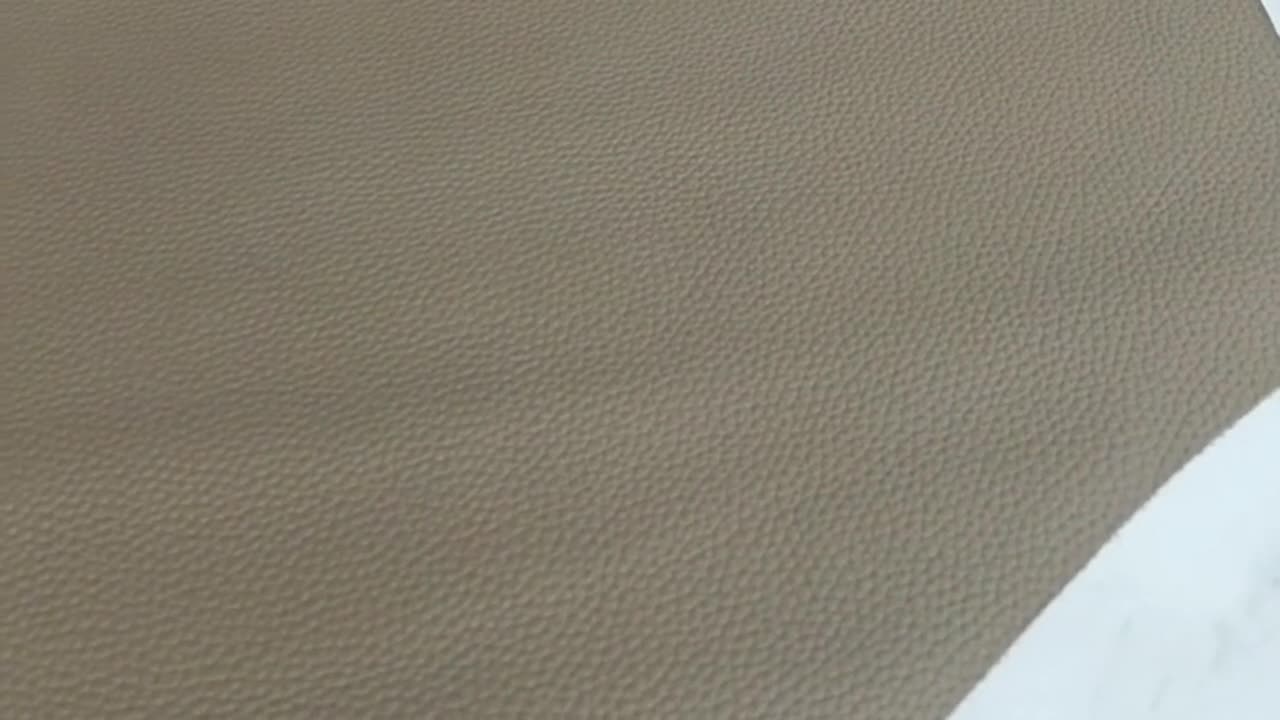
For a pebbled tote we specify cow leather by grain, thickness, and finish. Soft, lightweight hides are used where the bag should collapse slightly. Firmer leather is used where the silhouette needs to hold. Color is matched to the approved sample. We source domestic leather according to the program — we do not claim Italian or European hides unless a buyer specifies and confirms that supply.
Incoming hides are checked for color, grain, thickness, and obvious scars before cutting. Panels that will sit on the front of the bag are taken from cleaner areas of the hide. The yield of the hide affects both price and the quantity that can be cut in one lot.
Pattern and cutting
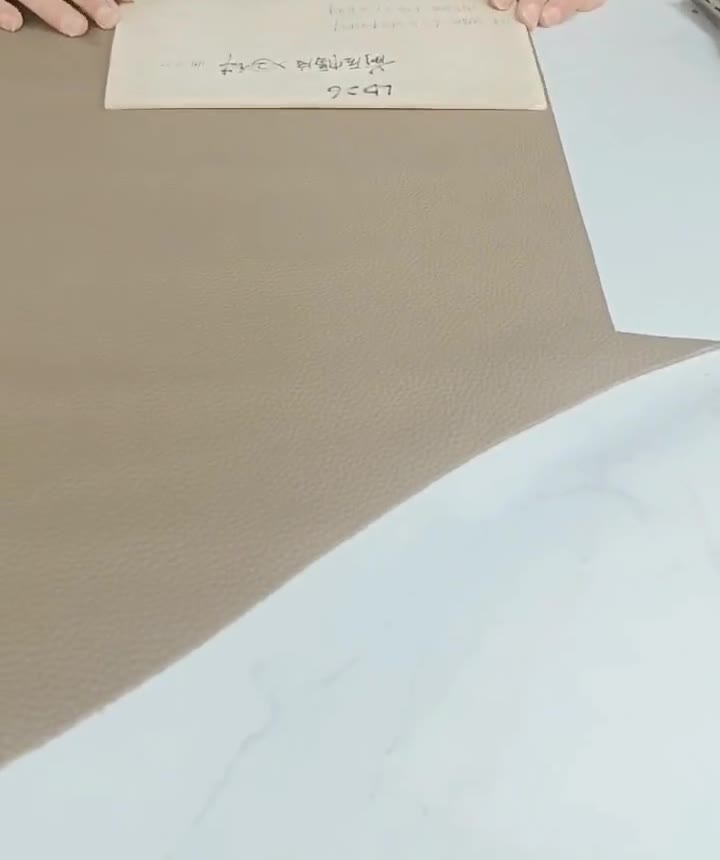
The pattern is taken from the approved sample. Each panel — front, back, base, gusset, handles, pockets — has a board. The cutter lays the board on the hide, marks the grain direction, and cuts to the edge of the pattern. A tote that looks simple on a product page is still a set of panels that have to match when they are sewn.
Cutting is where a program is won or lost on waste. A small change in handle width or base depth changes how many bags come from one hide. That is why we do not start bulk from a photo. The pattern has to exist in the factory.
Sewing
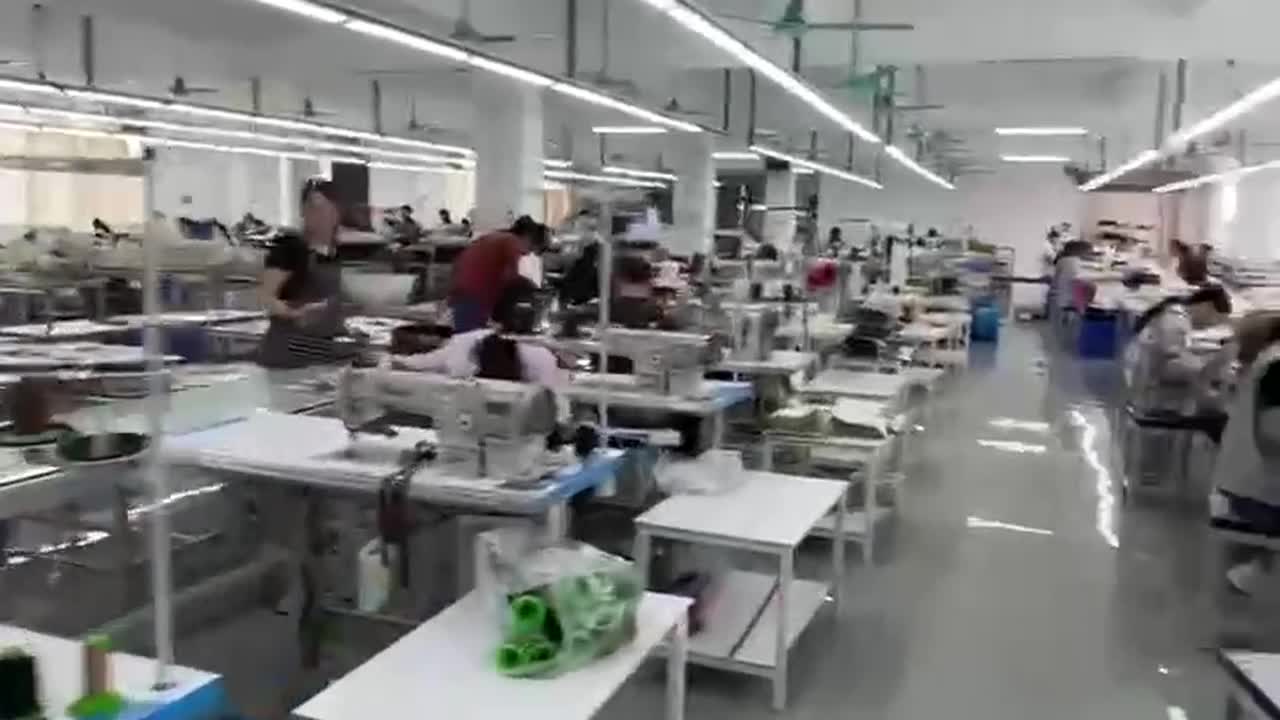
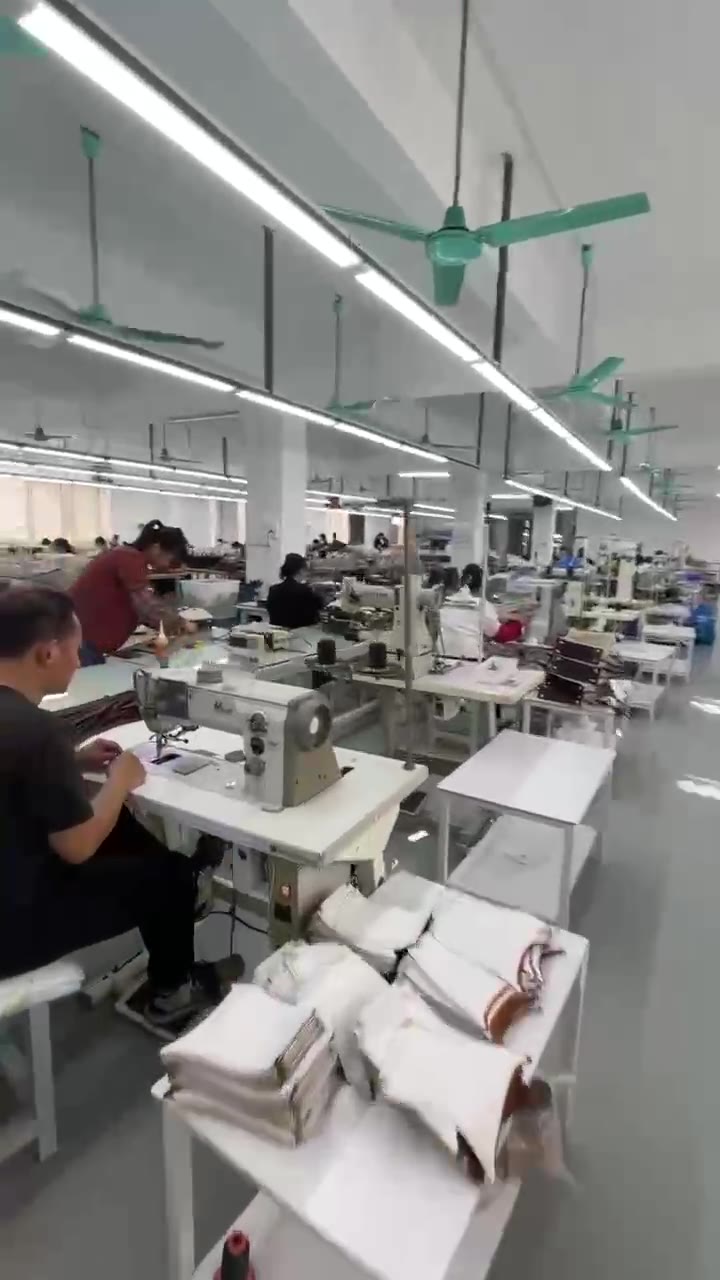
Cut panels move to the sewing floor. Edges that need skiving are thinned so seams do not sit proud. Pockets, lining, and zippers are prepared as components, then the body is closed. Handle length, stitch line, and seam allowance stay on the sample. If the tote is structured, reinforcement is set before the lining is closed.
The sewing floor is a single factory workflow — not a showroom line. Industrial machines sew the construction that was locked. Operators work station by station: body, handles, assembly. That is the part buyers need to see when they ask whether LINJIN is a factory or a trading desk.
Hardware, lining, and logo
Hardware finish — gold, silver, gunmetal, or a custom color — is confirmed on the sample. Zippers, rivets, and D-rings are set to the locked placement. Lining cloth is the same. Logo work (deboss, foil, metal plate, or woven label) is done to the artwork the buyer signed off, not to a later screenshot.
Custom hardware can be developed when the quantity and timeline support it. For a first order, most private label programs use existing hardware with a logo on the leather or a plate.
Finishing and inspection
After assembly, edges that are painted are painted to the sample. The bag is cleaned, hardware is checked, and the silhouette is compared with the locked sample. In-line checks happen on the floor. A final inspection is done before packing: stitch, symmetry, zipper, smell, spots, and logo.
Third-party inspection can be arranged against that sample. We do not publish a worker count or a monthly capacity figure on this page. Quantity is planned from the construction, the leather yield, and the delivery date on the order.
Packing and shipment
Finished totes are packed as specified: poly wrap, dust bag, gift box, or carton. Goods are stored by program in the warehouse and shipped from Guangzhou. Marketplace packing (Amazon-style poly bag, barcode, carton marks) is done when the buyer issues the packing spec with the order.
What to send for a quote
A tote program moves faster when the first message includes:
- Reference photos or a tech pack
- Material: genuine leather or PU leather
- Quantity by color
- Logo and artwork
- Hardware finish
- Packing (poly, gift box, marketplace carton)
- Target market and delivery window
If you already have a sample, send it. If you have a construction you like in our catalog, send the SKU. Either path can be sampled, locked, and produced in Guangzhou.
Send a reference, quantity, and material. We advise on sampling and production in Guangzhou.